
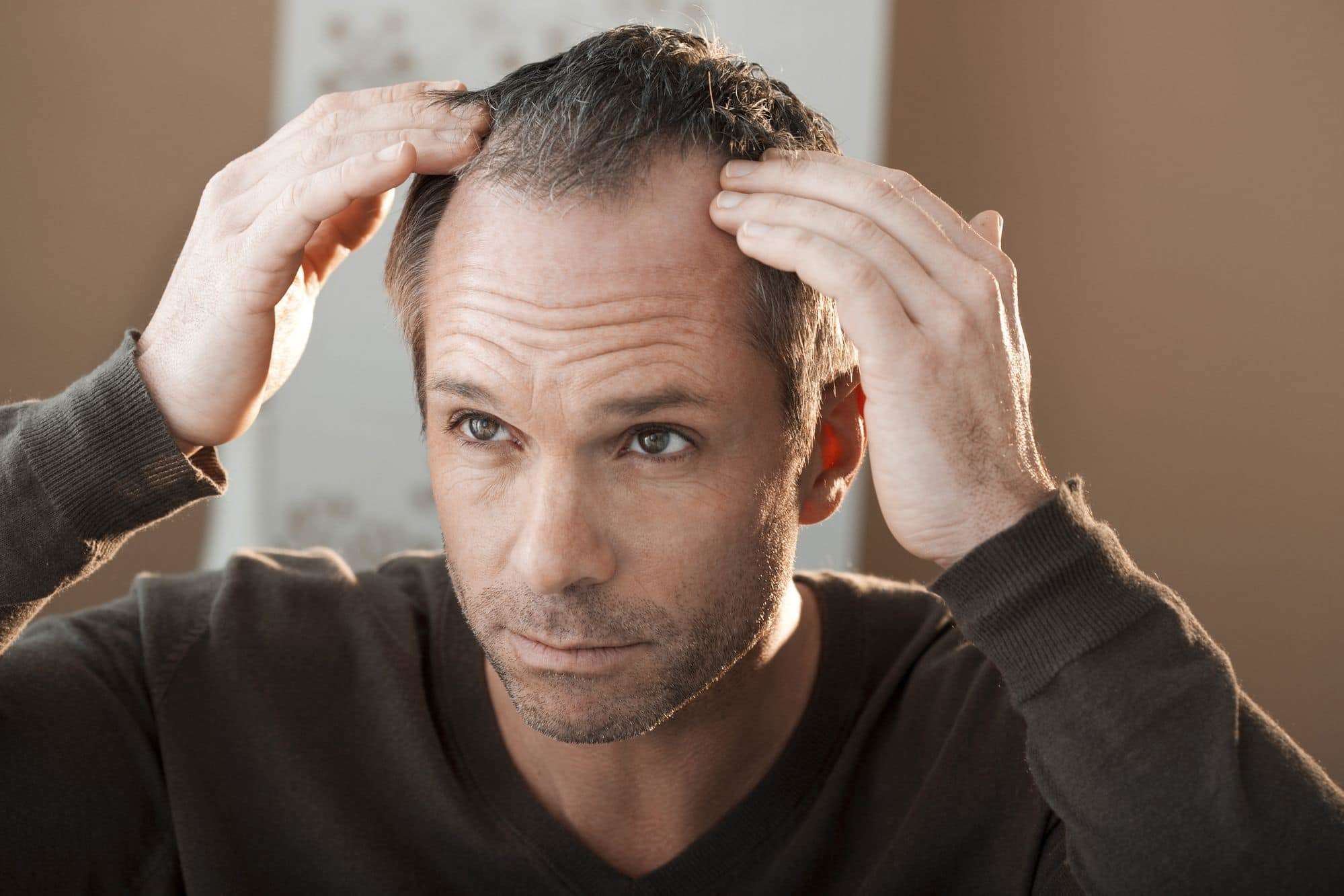
Finding extra hair on your pillow or in the shower drain is unsettling — but most of the time it is not a sign that something is wrong. Understanding what “normal” actually means for hair shedding can help you tell the difference between the ordinary hair cycle and something worth looking into.
How Much Hair Loss Is Normal Per Day?
Dermatologists generally cite 50–100 strands of hair lost per day as within the normal range, with some sources extending that to 150 strands depending on hair density and cycle phase. This is not arbitrary — it reflects the biology of the hair growth cycle.
At any given time, roughly 85–90% of scalp hairs are in the anagen (growth) phase, which lasts two to seven years. The remaining 10–15% are in the telogen (resting) phase, which ends with the hair shedding and a new strand beginning to grow in its place. That background shedding is what accounts for the hairs you find in your brush each day.
What is worth paying attention to is not just the count, but the pattern: Are you suddenly losing more than usual? Is hair coming out in clumps? Are you noticing a widening part or thinning at the crown? Those changes are more meaningful than whether you lose 80 hairs vs. 120 on a given day.
The Pull Test: A Rough At-Home Check
One informal screen clinicians sometimes use is the hair pull test. Take 60 strands of hair, hold them near the root, and slowly pull your fingers along the shaft. Losing 5–8 strands is typical; consistently pulling out more than 15 may suggest more hairs are in the telogen phase than expected.
Keep in mind this is a screening indicator, not a diagnosis. Hair density, texture, and the firmness of your grip all affect the result. If your pull test consistently shows higher-than-normal shedding, a dermatologist or trichologist can assess what is driving it.
Common Reasons for Temporary Hair Loss
Most cases of increased shedding are temporary and traceable to a specific cause. Here are the most well-documented ones:
Physical Stress and Telogen Effluvium
Surgery, serious illness, high fever, or significant physical trauma can push a larger proportion of hairs prematurely into the telogen phase — a condition called telogen effluvium. Because of the hair cycle timing, the shedding typically peaks two to four months after the triggering event, which makes it easy to overlook the connection. In most cases, shedding returns to baseline once the underlying stressor resolves.
Emotional Stress
Severe emotional stress — prolonged grief, major life disruption — can also trigger or worsen shedding, though the evidence suggests it is a weaker driver than acute physical stress. For people already predisposed to pattern hair loss, ongoing psychological stress may accelerate the timeline. Managing stress through exercise, adequate sleep, or professional support is worth pursuing for overall health regardless of its effect on hair.
Pregnancy and Postpartum Shedding
Elevated estrogen during pregnancy prolongs the anagen phase, so many women notice thicker hair while pregnant. After delivery, estrogen drops sharply, and hairs that were held in the growth phase all move into telogen at once — leading to the dramatic postpartum shedding many new parents experience at around three to four months postpartum. This is nearly always self-limiting; hair typically stabilizes within six to twelve months.
Excess Vitamin A
The American Academy of Dermatology lists vitamin A excess (hypervitaminosis A) as a documented cause of hair loss. The daily recommended intake for adults is around 700–900 mcg RAE (roughly 2,300–3,000 IU). High-dose vitamin A supplements — often found at 10,000 IU or more — can exceed tolerable upper limits and contribute to shedding. If you take a supplement with high vitamin A, it is worth reviewing the dose with your doctor.
Low Protein Intake
Hair is primarily made of keratin, a protein, so chronic protein deficiency can affect hair growth. When protein intake drops significantly, the body may deprioritize hair growth. This tends to show up as diffuse shedding two to three months after the dietary change. Adequate protein (generally 0.8–1g per kg of body weight for most adults) supports normal hair cycling; dramatic restriction diets are a known risk factor.
Hormonal Changes
For women, fluctuations in androgen and estrogen levels — from stopping or switching hormonal contraceptives, perimenopause, or thyroid changes — can trigger temporary shedding. Thyroid dysfunction in particular (both hypothyroidism and hyperthyroidism) is a well-established cause of diffuse hair loss that responds well to treating the underlying condition. If hair loss accompanies other symptoms like fatigue, weight change, or irregular periods, a blood panel is a reasonable next step.
When to See a Doctor
Temporary shedding linked to a known cause generally resolves on its own. Reasons to consult a dermatologist or GP include:
- Shedding that has not improved after three to six months
- A visible widening part, thinning at the crown, or receding hairline
- Hair loss accompanied by scalp irritation, scaling, or patchy bald spots
- Systemic symptoms (fatigue, weight change, irregular periods) alongside hair loss
A clinician can rule out thyroid issues, iron deficiency, hormonal imbalances, and other treatable causes before attributing hair loss to genetics or stress alone.
This article is for informational purposes only and does not constitute medical advice. If you have concerns about your hair loss, consult a qualified healthcare provider.